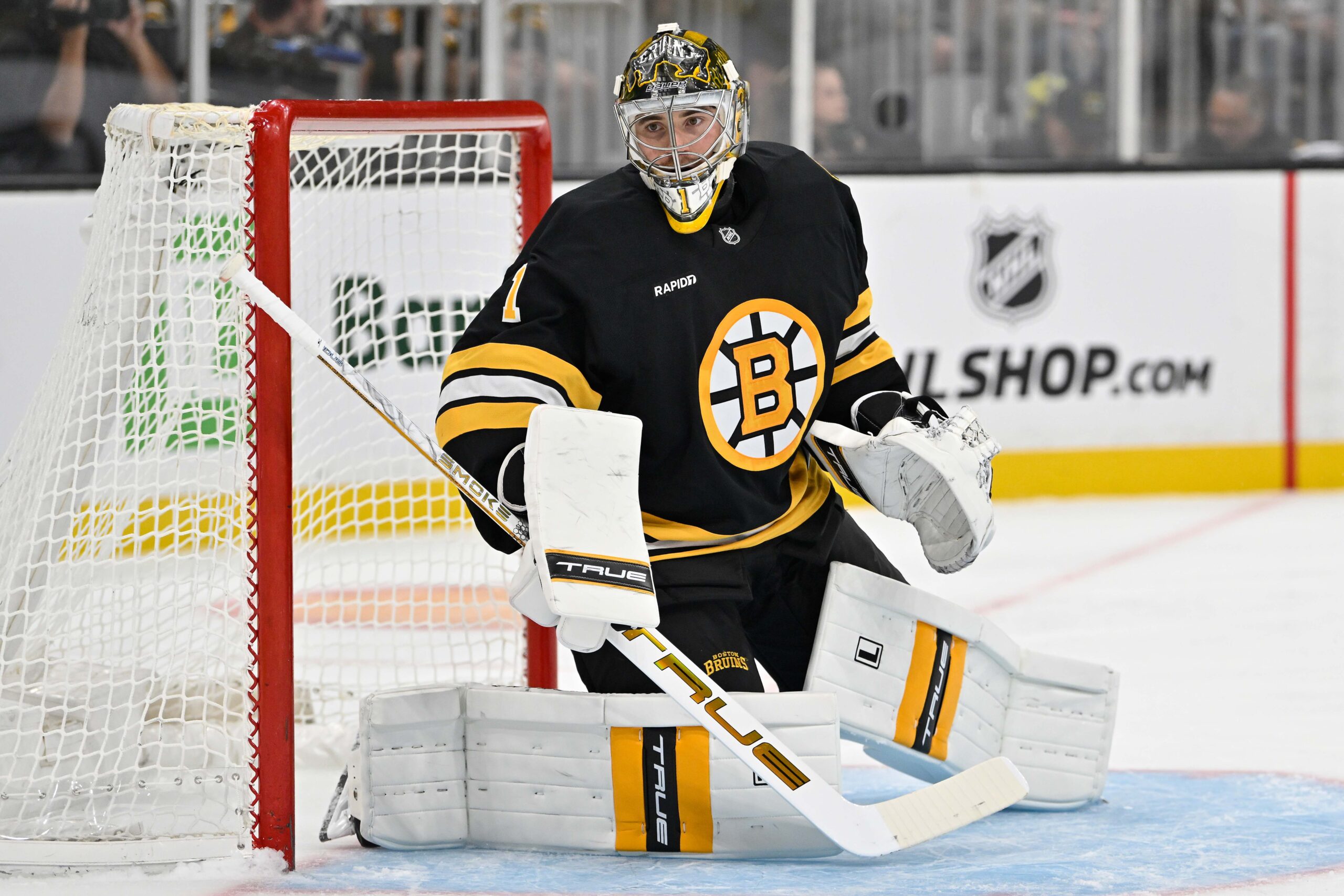
High-risk hockey counts, not casually. The coaches pull the goalie with the remaining minutes because the score and the clock demand it. The same logic helps to create a casino session. Define a Kingdom, choose a strategy, accept a trade.
Choosing a ronk that supports the design
Clear the tools. Hockey teams need lineups, matchups, and data on shifts. Casino players need simple lobbies, fast limits, and clean tracking. A well-designed hub keeps the focus on selection, not menu translation. That’s what the platform is like Betsio.com casinos It gets the right to play smoothly – Fast navigation, transparent games, and smooth stealing so the program lives this program.
Pull the goalie and press on your edge
Pulling a goalie trades safety for a higher chance of a tie. At the moment, it seems like the size of the pressure where the difference is the only direction. There is no automatic movement. It is a game cooked in time when the banks and the time left in relation to the bump. If the Scoreboard doesn’t say the bare minimum risk is right, your session plan should say the same.
Here is a neat map between rink decisions and session tactics:
- Late draw. Increase the size of the bet only there after and after the boxing.
- Press Up. The table chose flexibility instead of grinding small edges.
- Safe cracking. Stakes behind the spike to protect the position.
After the explosion, reset. Hockey teams return goalies after a goal or whistle. Do the same by dialing down the errors when the reason for the anger is over. The point is to avoid staying in empty net mode.
Power plays with table selection
Power play helps. You still need a set piece. In the casino, the closest game to the table is carefully or game selection. Aim for clear rules, a steady pace, and features that match your ability. That can mean little more than blackjack with a visible shoe depth or a roulette table with a fixed spin source. The edge comes from predictability, not heat.
Before jumping into any control area, run a short pregame checklist:
- What is the purpose of this time.
- How much time and what loss is set.
- What games are suitable for the program today.
Stick a note on your phone or on your desk. Small cultures reduce noise. Players who do this little power practice change games mid adt and keep decisions on Christmas.
Line Changes and Bankroll Pacing
The hockey benches rotate every 40 to 60 seconds to keep the legs fresh. Times should cycle in the same way. Set a timer, take small breaks, and use them to get results. The closer the results and focus, the shorter the shifts. If both improve, they increase. Make moving the lever instead of feeling.
Systems, clocks, and why design wins
Modern languages apply to legal instruments that organize preparations, sheets and officers. England Hockey’s Game Management System Is one example of how communication reduces conflict and error. Sessions benefit from a common perspective. A basic spreadsheet with time, pole, and score for Beats Memory. Stops guessing from the night.
Game flow is also important. Ice Hockey uses Three times with SET input. That structure creates natural points for resetting tactics and power. Borrowing. Break the 90-minute session into three chunks with a short review in between. Ask one question per break – Continue, change, or close. A simple check prevents travel.
Bridging the gap between courage and explosion
High-stakes hockey is daring because it’s bound by a clock, a score, and a schedule. The casino floor rewards the same discipline. A frame is a change, not a state. Use it when the context says go and turn it off when the minute passes. With clear goals, selected plays, and timeouts, time feels less like a rush and more like coaching a team in a solid third period.